Best Restaurants in Gion: A Foodie's Guide
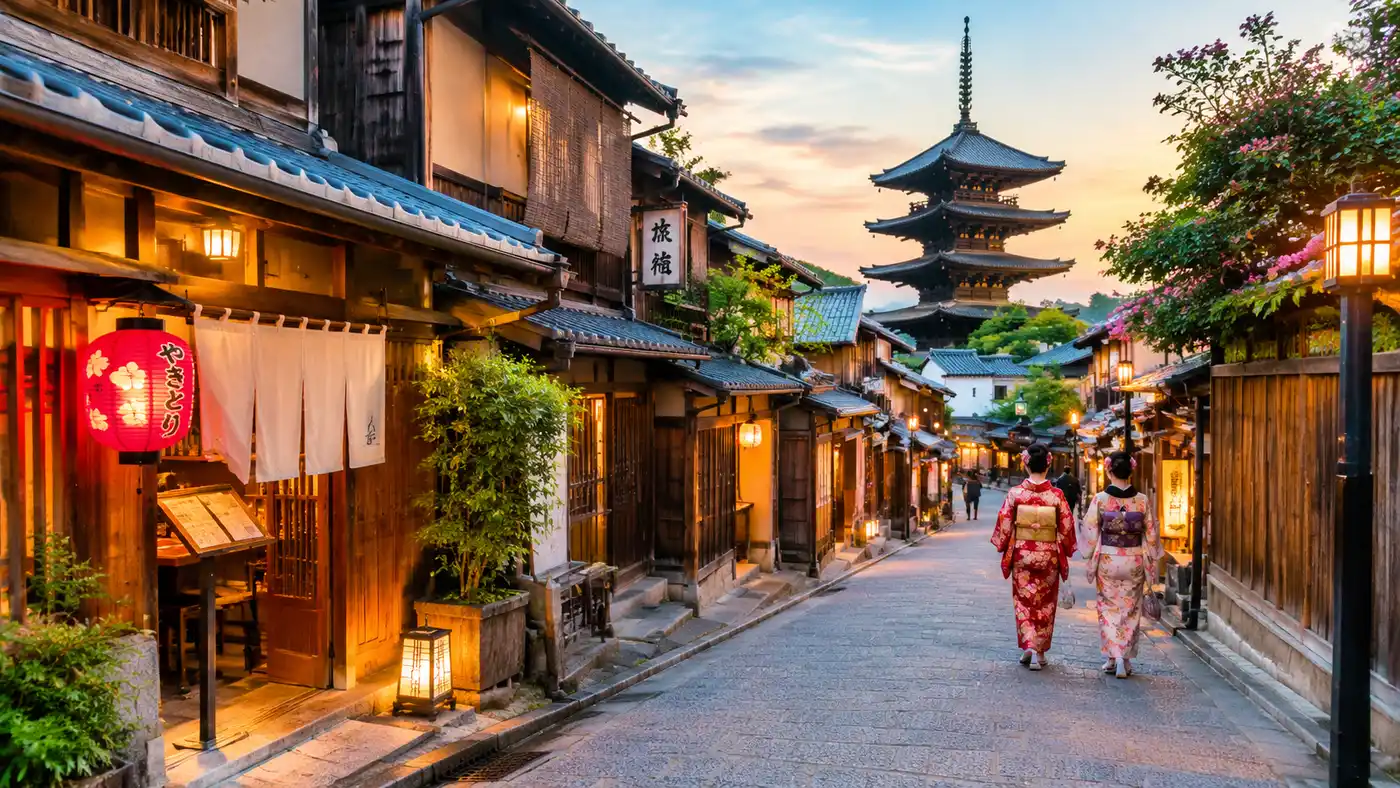
Gion, Kyoto's most famous geisha district, is honestly more than just historic wooden machiya houses and the occasional glimpse of a maiko hurrying to an appointment. It's a place where tradition seeps into every corner, including its incredible food scene. Finding the best restaurants in gion can feel a bit like navigating a beautiful, delicious maze, but trust me, the rewards are immense. You might stumble upon an unassuming noodle shop serving perfection, or maybe you'll find yourself in a Michelin-starred temple of kaiseki.
This guide isn't just about pointing you to the most expensive spots. We're going to talk about everything - from the quiet, high-end establishments where dinner is an art form, to the lively izakayas, and even those little hidden places locals swear by. We'll cover what to expect, how to approach dining here, and hopefully, give you a few ideas for where to eat in Gion District Kyoto that will truly stick with you long after your trip.
Book your gion district experience:
Kyoto Gion Restaurants: The Kaiseki Experience
If you're looking for a truly unforgettable meal in Gion, you absolutely have to consider kaiseki. This isn't just dinner; it's a multi-course culinary journey, often involving fifteen or more small, exquisitely prepared dishes. Each plate is a tiny work of art, reflecting the season's freshest ingredients. Think delicate sashimi, perfectly grilled fish, seasonal vegetables, and a soup that tastes like pure comfort.
Many of the top Gion restaurants specializing in kaiseki have earned Michelin stars, and for good reason. The chefs are masters of their craft, taking years, sometimes decades, to perfect their techniques. The atmosphere in these places is usually serene, perhaps a private room with tatami mats, or a counter seat overlooking a small, perfectly manicured garden. You will notice the hushed reverence people have for the food. It's not a quick meal; plan for at least two or three hours to fully appreciate it. Honestly, it's an investment, both in time and money, but one that offers a profound insight into Japanese culinary culture.
Securing a table at a top-tier kaiseki spot can be tricky. Reservations are almost always essential, sometimes months in advance, especially for the more famous Michelin star restaurants in Gion. Don't be surprised if they require your hotel concierge to make the booking for you, or ask for a deposit. It's just how things work sometimes.
Pro tip: If booking a high-end kaiseki restaurant, ask your hotel to call ahead for you. They can often navigate the language barrier and specific booking requirements much more easily than you can online.
Casual Dining and Izakayas in Gion
Not every meal needs to be a grand, formal affair. Sometimes, you just want good food in a relaxed setting, and Gion has plenty of fantastic options for that too. Izakayas are Japan's answer to a pub, offering a wide array of small dishes meant for sharing, alongside sake, beer, and other drinks. You'll find everything from yakitori - grilled skewers of chicken and vegetables - to tempura, oden, and various small plates of seasonal ingredients. It is a fantastic way to sample many different flavors without committing to one big meal.
These places are often bustling, especially later in the evening, and the energy is infectious. It's a great spot for dinner Gion style if you are out exploring the area at night. You might find yourself seated next to a group of salarymen unwinding after work, or a family enjoying a casual meal. The prices are usually much more approachable than kaiseki, making it a perfect everyday option. Some of my favorite memories are just slipping into a small, smoky izakaya, ordering a few skewers, and watching the world go by.
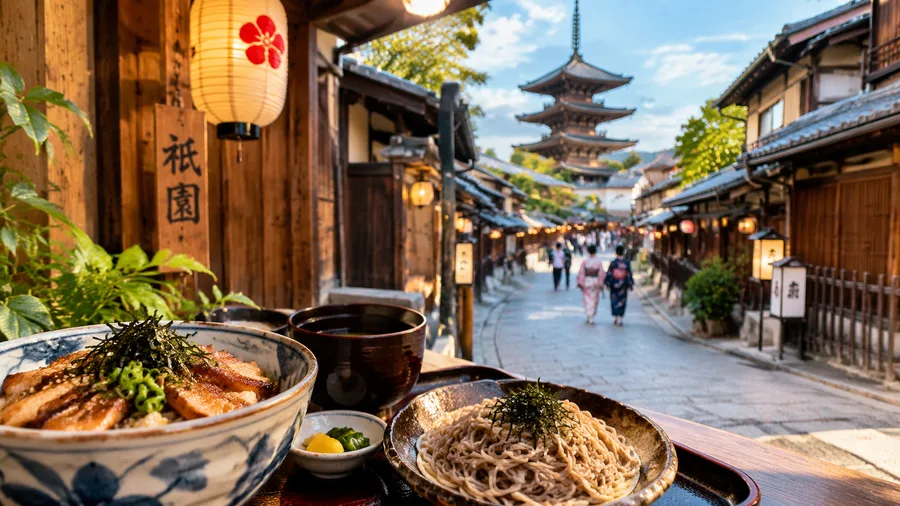
Beyond izakayas, you'll also find some excellent casual Gion restaurant choices serving ramen, udon, soba, and even Western-style cafes. These are perfect for a quick lunch or a lighter dinner. Keep an eye out for small, unassuming storefronts tucked away on side streets. Sometimes, those are the absolute best.
- Must-Try Izakaya Dishes:
- Yakitori (grilled chicken skewers, try various parts)
- Karaage (Japanese fried chicken)
- Agedashi Tofu (fried tofu in dashi broth)
- Gyoza (pan-fried dumplings)
- Sashimi (fresh raw fish, often surprisingly good even at casual spots)
Traditional Tea Houses and Sweet Treats
Gion isn't just about savory meals; it's also a wonderful place to indulge in traditional Japanese sweets and experience a tea ceremony. Many tea houses offer beautiful wagashi, which are traditional confections often made from mochi, anko (red bean paste), and fruit. These sweets are not only delicious but also incredibly beautiful, crafted to reflect the season or a specific cultural theme. They pair perfectly with a bowl of whisked matcha, providing a gentle bitterness that balances the sweetness.
Stepping into a traditional tea house feels like stepping back in time. The atmosphere is usually quiet and contemplative, a welcome break from the bustling streets outside. Some places offer a full tea ceremony experience, which is definitely worth doing if you have the time and interest. Others simply serve tea and sweets in a lovely setting. It is a unique way to experience the cultural side of dining in Gion Kyoto, and a perfect afternoon activity. I think my favorite part is just sitting and watching the tea master prepare the matcha with such grace and precision.
Book your gion district experience:
Hidden Gems and Local Favorites
To truly discover the heart of where to eat in Gion District Kyoto, you sometimes need to wander off the main drag. The most memorable meals are often found in the tiny, family-run establishments tucked away on narrow alleys, or down a seemingly residential street. These are the places that don't always have English menus, where the owner might be the chef, server, and dishwasher all rolled into one. The food here is often incredibly authentic, steeped in generations of tradition, and made with immense pride.
I remember finding this tiny place once, specializing in oden, a comforting hot pot dish. It had just five counter seats, maybe six if you squeezed. The owner didn't speak a word of English, and I spoke very little Japanese, but we communicated through pointing and smiles. It was one of the best meals I had on that trip. The broth was rich, the daikon radish melted in my mouth. These are the experiences that make travel so special, the unexpected discoveries. Don't be afraid to poke your head into places that look a bit intimidating, or that don't have flashy signs. You might just find your own personal hidden gem.
Note: Many smaller Gion restaurants, especially local favorites, might only accept cash. It's always a good idea to carry some Japanese Yen with you, even if you primarily use cards elsewhere.
| Restaurant Type | Typical Price Range (per person) | Best For | Key Dishes/Experience |
|---|---|---|---|
| Kaiseki / High-End | ¥15,000 - ¥40,000+ | Special occasions, culinary immersion | Multi-course tasting menus, seasonal ingredients, artful presentation |
| Izakaya / Casual | ¥3,000 - ¥7,000 | Social dining, variety, budget-friendly dinner | Yakitori, tempura, sake, beer, small shared plates |
| Noodle Shops (Ramen, Udon, Soba) | ¥800 - ¥2,000 | Quick lunch, simple, comforting meal | Broth-based noodles, toppings like pork, egg, tempura |
| Tea Houses / Sweets | ¥1,000 - ¥3,000 | Afternoon break, cultural experience | Matcha, wagashi (traditional sweets), sometimes full tea ceremony |
Navigating Your Dinner Gion Plans
Planning your meals in Gion requires a little thought, especially if you're aiming for a specific experience. For high-end dining, as mentioned, reservations are crucial. For more casual spots, you can often just walk in, but be prepared for a short wait during peak hours. Dinner Gion can be quite busy, especially on weekends, as many people come to enjoy the evening atmosphere.
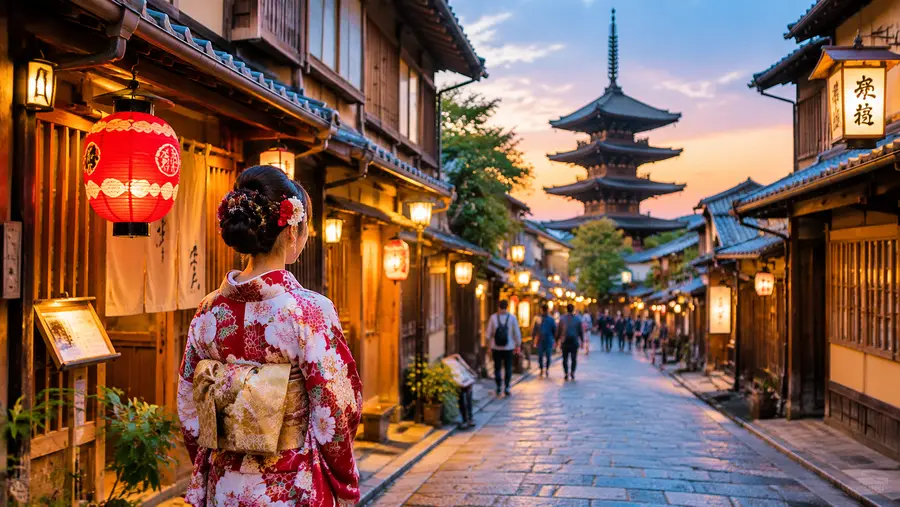
The area around Hanamikoji Street and the Shirakawa area is particularly dense with restaurants. Walking through these areas at dusk is an experience in itself, with lanterns glowing and the scent of delicious food wafting from doorways. If you're hoping to catch a glimpse of a geisha, dining near these areas might increase your chances, though never guarantee it. You can learn more about visiting the geisha district respectfully in our guide to where to see geisha in Kyoto.
Consider combining your dinner plans with an evening stroll or a night tour. Gion at night has a completely different feel, and enjoying a meal before or after exploring the illuminated streets can be magical. We have some great ideas in our article about Gion at Night: Tours, Activities & Evening Strolls. Don't forget that many restaurants close fairly early, some by 9 or 10 PM, so don't leave your dinner plans too late.
- Key Dining Considerations:
- Reservations: Essential for high-end, recommended for popular casual spots.
- Cash: Always carry some Yen, especially for smaller establishments.
- Hours: Many places close earlier than you might expect, especially for dinner.
- Language: English menus are more common now, but not universal. Be patient and polite.
- Dietary Needs: Can be challenging for strict vegetarians or vegans, but options are growing.
Frequently Asked Questions about best restaurants in gion
Is it expensive to eat in Gion?
Gion offers a wide range of dining options. You can find very expensive Michelin-starred kaiseki meals costing over ¥20,000 per person, but also affordable ramen or izakaya meals for under ¥3,000. It really depends on what you are looking for.
Do I need reservations for restaurants in Gion Kyoto?
For high-end kaiseki or popular fine dining, reservations are almost always required, often weeks or months in advance. For casual izakayas or noodle shops, you can usually walk in, though you might have to wait during peak dinner hours.
Can I find vegetarian options in Gion?
Finding strictly vegetarian or vegan food can be a bit challenging in traditional Japanese restaurants, as dashi (fish broth) is widely used. However, more modern restaurants and some specialized establishments are starting to offer clearer vegetarian options. Look for Buddhist vegetarian cuisine (shojin ryori) outside Gion if you have strict dietary needs.
Quick Reference
- Gion offers dining from budget to Michelin-star.
- Kaiseki requires advance reservations.
- Izakayas are great for casual dinners.
- Cash is often needed at smaller places.
- Many restaurants close by 9-10 PM.
Book your gion district experience:
My Take on Gion Dining
Exploring the best restaurants in Gion is an adventure in itself, a journey through flavors, traditions, and unexpected delights. You can spend an evening savoring an elaborate kaiseki meal that feels like a performance, or you can pop into a lively izakaya for some yakitori and sake. The beauty of this district is its diversity, the way ancient culinary practices exist alongside modern interpretations, all within those atmospheric, lantern-lit streets. Don's be afraid to wander, to explore, and to try something new.
Honestly, the best advice I can give you is to keep an open mind, be respectful of local customs, and let your taste buds lead the way. Gion isn't just a place to see; it's a place to taste, to experience, and to remember. So go on, find your own favorite spot among the many incredible restaurants in Gion Kyoto. You'll be glad you did.
Read more about gion district.