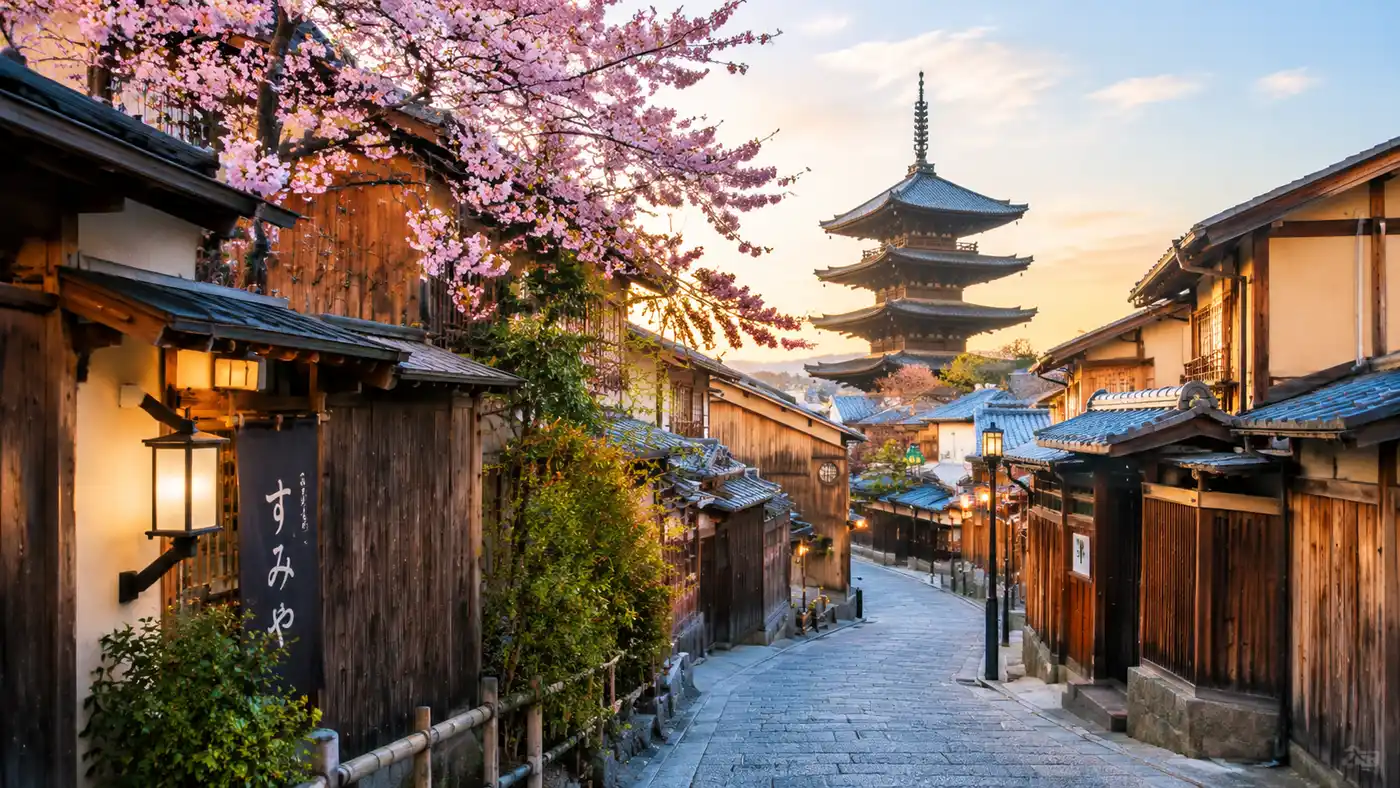
Best Hotels & Ryokans in Gion District
Discover the best hotels and ryokans in Gion District Kyoto. Find your perfect stay, from traditional inns to boutique …
Continue Reading →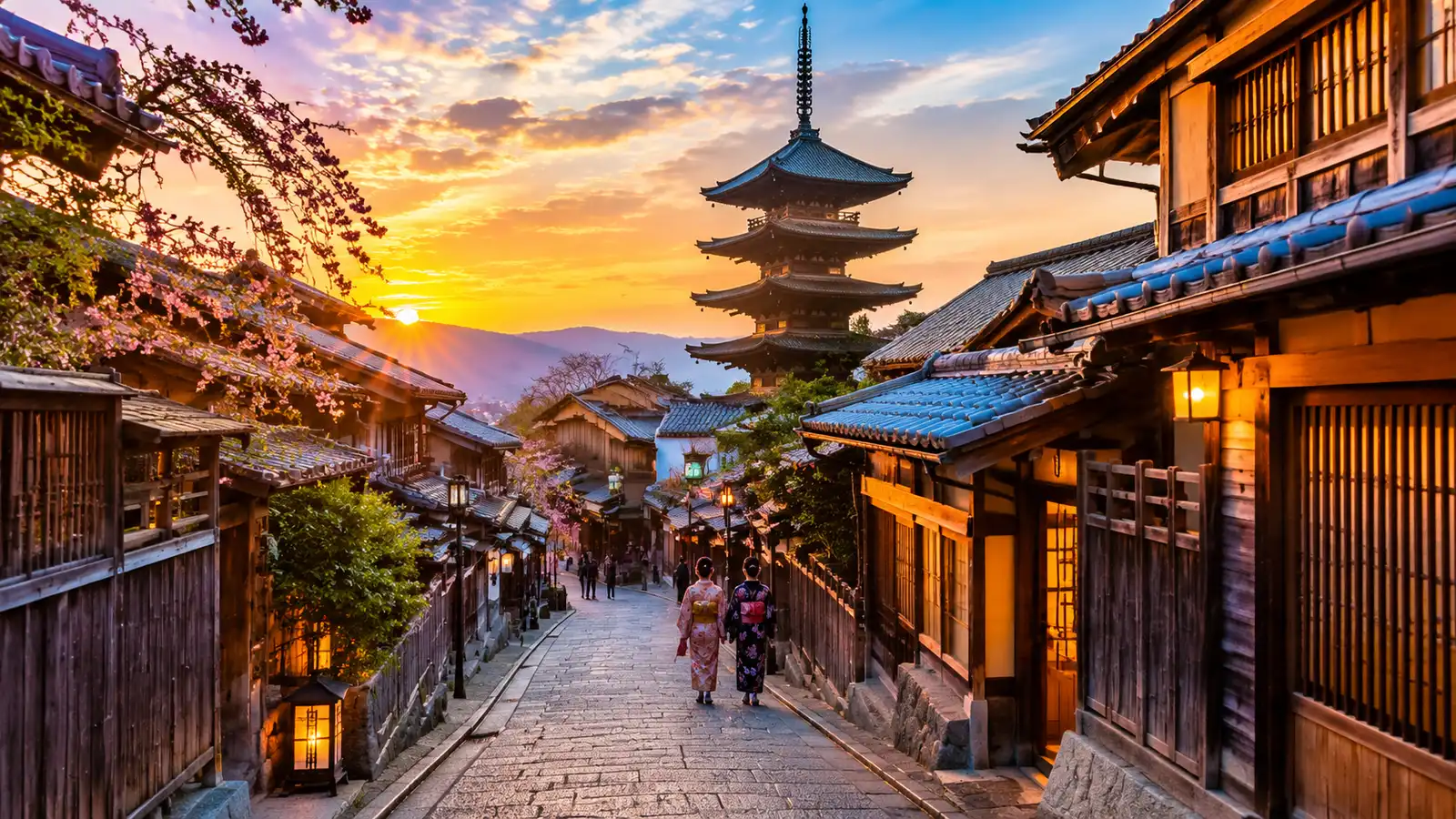
Step into a world where ancient traditions thrive amidst modern life. Gion offers an unforgettable glimpse into Japan's refined cultural heritage.
Discover what makes gion district unforgettable.
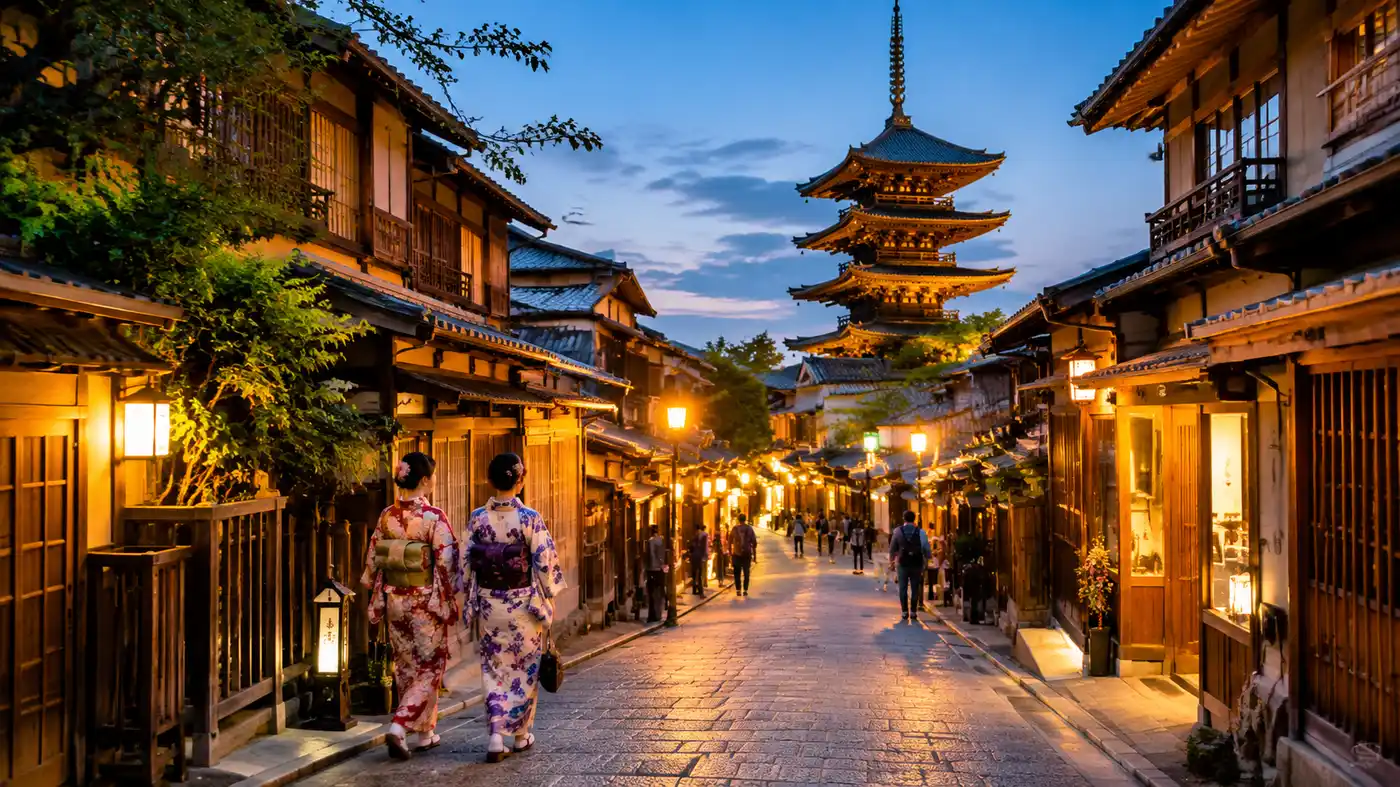
Witness classical Japanese dance, music, and tea ceremonies. Gion's theaters and private establishments offer authentic cultural performances that have been refined over centuries.
Learn more →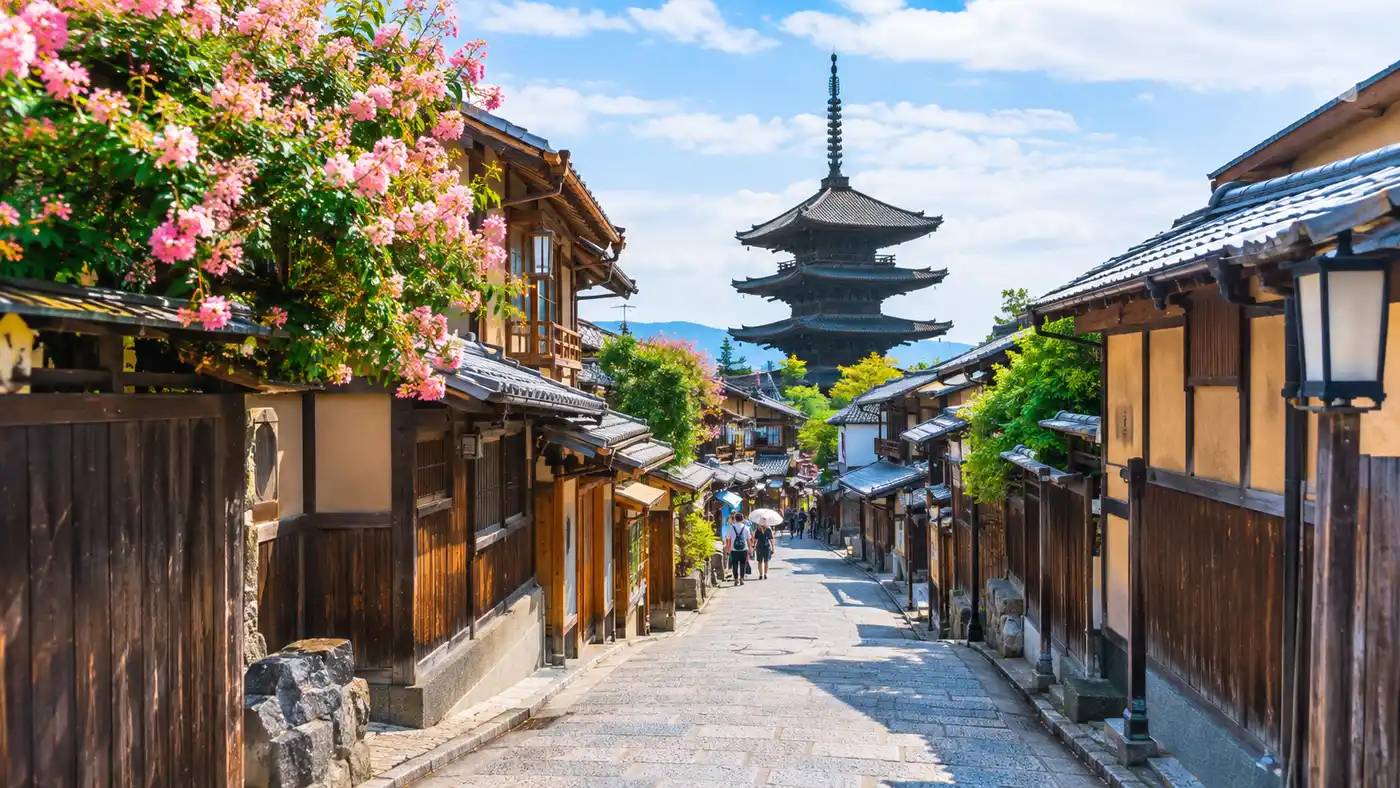
Understanding Gion's customs and etiquette enhances your visit. Learn the best times to explore, how to respectfully observe, and where to find hidden gems away from the main thoroughfares.
Learn more →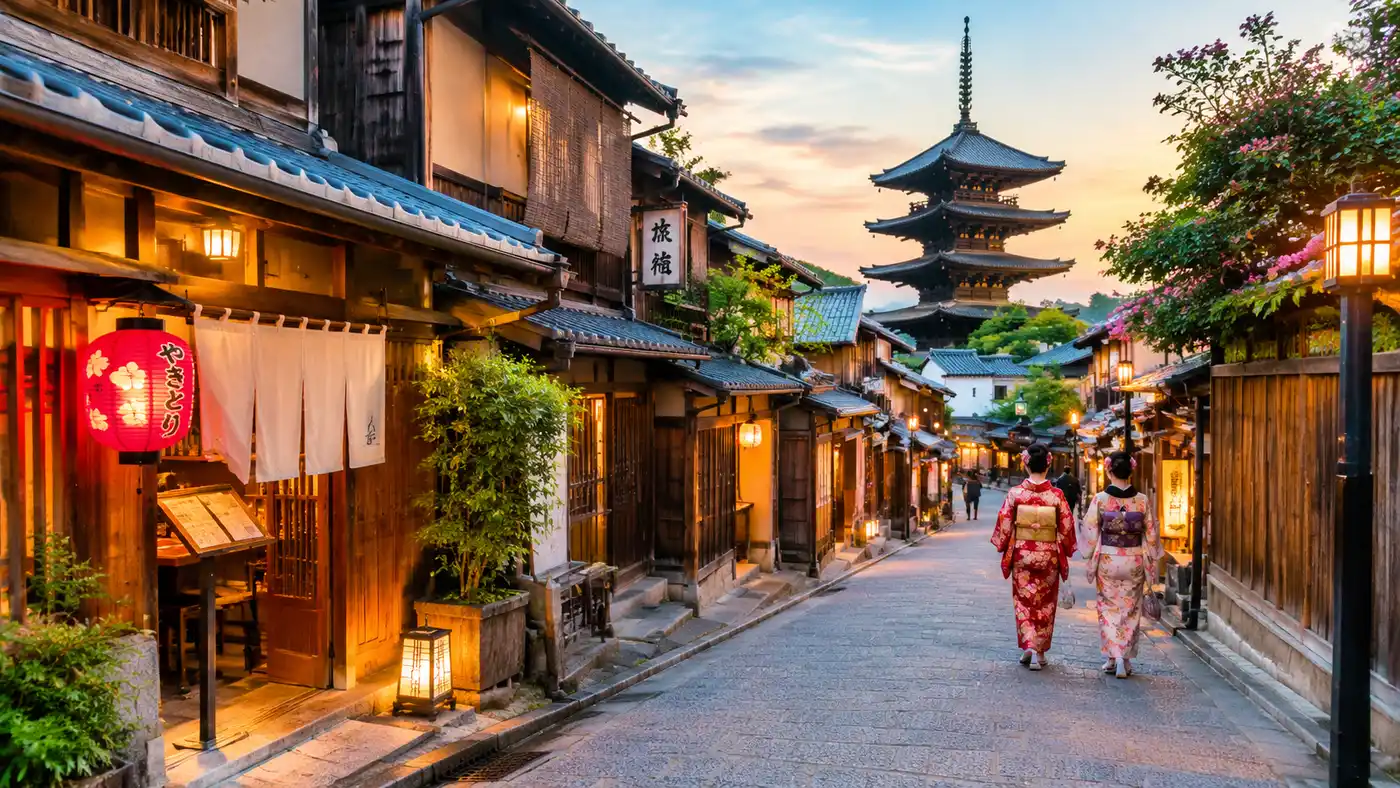
Indulge in world-class kaiseki dining, a multi-course culinary art form, or enjoy a simple cup of matcha in a traditional tea house. Gion offers a spectrum of gastronomic delights.
Learn more →
Immerse yourself fully by staying in a traditional Japanese inn. Many ryokans in Gion provide a unique cultural experience, complete with tatami rooms and futon beds.
Learn more →What to expect from arrival to departure.
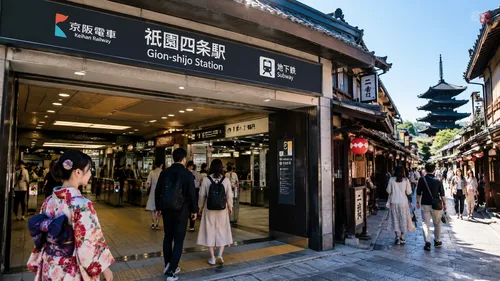
Begin your adventure by exiting Gion-Shijo Station, immediately stepping into the district's vibrant atmosphere.
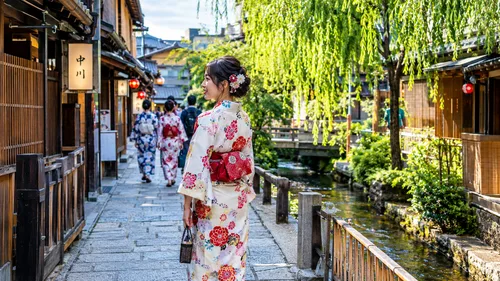
Wander along the serene Shirakawa Canal, famous for its picturesque willows and traditional architecture.
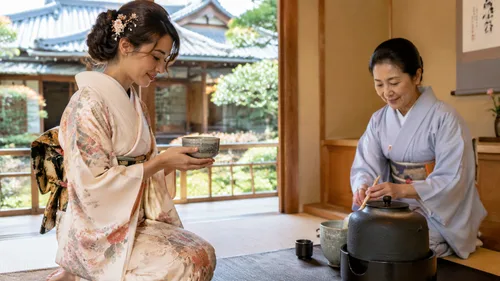
Partake in a traditional tea ceremony at a historic tea house, a tranquil immersion into Japanese culture.
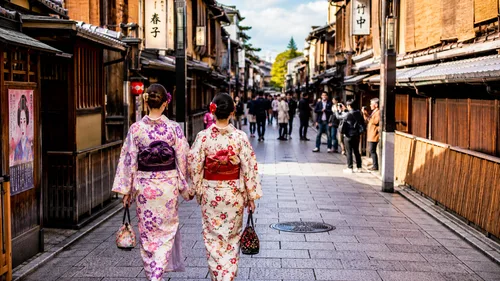
Walk down Hanamikoji Dori, Gion's most famous street, hoping for a glimpse of geiko or maiko.
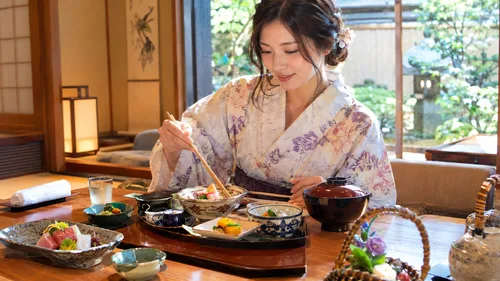
Enjoy a refined multi-course kaiseki dinner at one of Gion's esteemed restaurants, a true culinary journey.
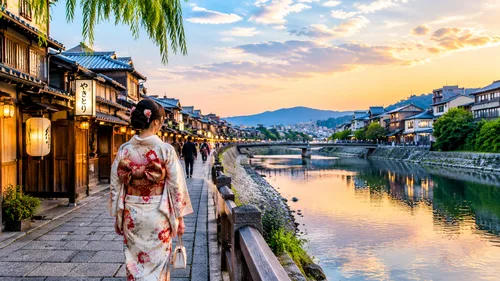
Conclude your visit with a peaceful evening walk along the Kamo River, reflecting on Gion's timeless charm.
Gion, Kyoto's most iconic geisha district, is a place where time seems to slow. Its narrow, stone-paved streets, lined with beautifully preserved wooden machiya houses, evoke a profound sense of history. Here, the echoes of traditional music and the rustle of silk kimonos still grace the air, offering a window into Japan's elegant past.
More than just a historic quarter, Gion remains a living, breathing center of traditional arts. It is home to hanamachi, districts where geiko and maiko (Kyoto's geisha and apprentice geisha) perfect and perform classical Japanese arts. While spotting them might require a touch of luck, their presence underscores the district's enduring cultural significance.
Prepare to be captivated by the district's unique ambiance. From serene temples to vibrant tea houses, Gion invites you to wander, discover, and immerse yourself in an atmosphere unlike any other. This guide will help you navigate its charming alleys and uncover its deepest secrets.
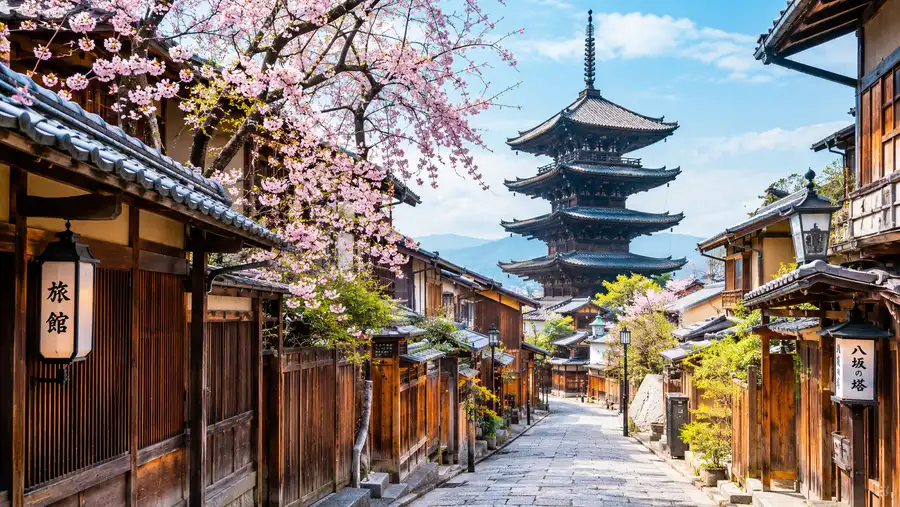
Walking through Gion felt like stepping into a postcard. The evening lights along the Shirakawa Canal were absolutely magical, a truly unforgettable experience.
As a local, I still find new details every time I visit. This guide captured the true essence of Gion's history and subtle beauty perfectly.
Gion was stunning, but it got quite crowded in the afternoon. I wish I had known to go earlier for a more peaceful experience.
The food recommendations here were spot on, especially for a fantastic tempura spot. Seeing a maiko on Hanamikoji made my entire trip!
Compare options and book directly below.
Explore Gion's historic streets with a knowledgeable local guide, learning about its history and customs. Includes a visit to a hidden shrine.
Participate in a traditional tea ceremony, followed by a cultural talk and Q&A session with an English-speaking host about geisha culture.
Enjoy an exclusive multi-course kaiseki dinner at a private tea house, accompanied by a maiko who will perform and engage in conversation.
Everything you need to know before visiting gion district.
Hours: As a district, Gion is generally open to the public 24 hours a day. Specific establishments within Gion have their own operating hours. For example, Yasaka Shrine is open 24 hours, and Kenninji Temple is open from 10:00 AM to 5:00 PM (last entry 4:30 PM), closed December 28-31. Gion Corner performances typically start daily at 6:00 PM and 7:00 PM.
| Gion Cultural Walking Tour (Per person, 2-hour guided tour) | $37 |
| Tea Ceremony & Geisha Talk (Per person, 90-minute experience) | $95 |
| Private Kaiseki & Maiko Encounter (Per person, minimum 2 guests) | $380+ |
📍 Gion is a district in Kyoto, Japan, located around Shijo Avenue, between Yasaka Shrine in the east and the Kamo River in the west.
See it before you go.
Worth combining with your gion district visit.
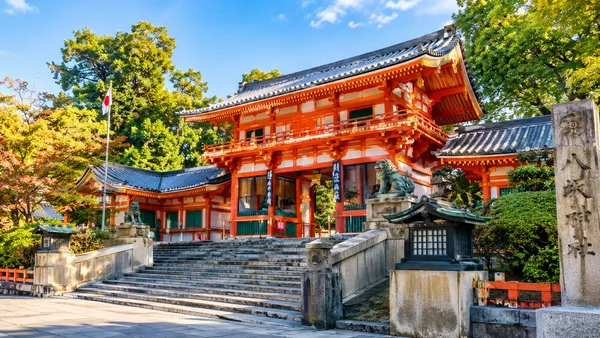
A beautiful and vibrant Shinto shrine, particularly enchanting when illuminated at night.
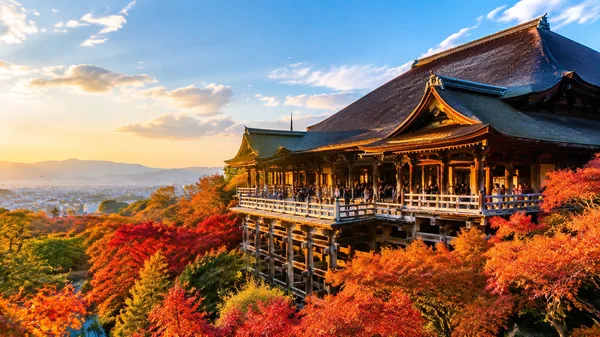
An iconic wooden temple offering panoramic views of Kyoto, especially stunning during autumn foliage.
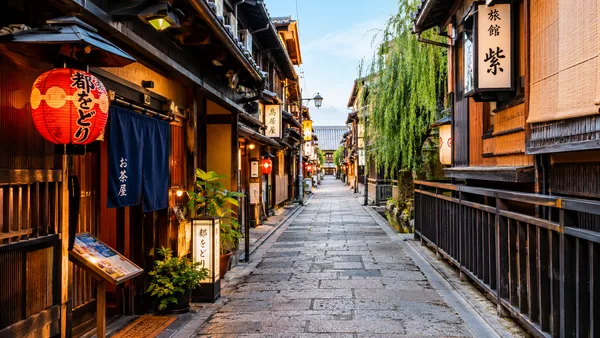
A narrow, atmospheric alley running parallel to the Kamo River, filled with traditional restaurants and bars.
Gion District welcomes all visitors with accessibility features and family-friendly amenities.
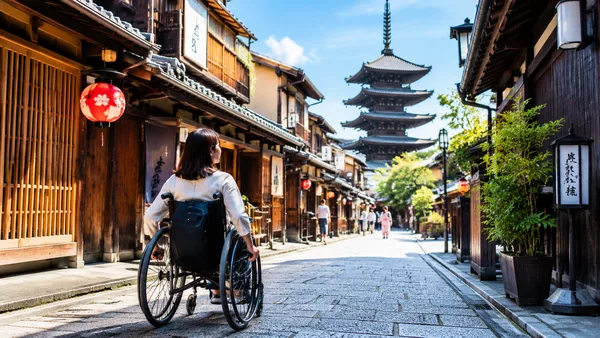
The Gion district is largely flat and manageable for wheelchair users, with main streets like Hanamikoji Street being paved and level. The Shirakawa and Gion Shinbashi areas have some uneven surfaces but are generally navigable. Some alleys in Gion can be narrow and challenging when crowded. Gion Koubu, where Gion Corner is located, is partly barrier-free and accessible, offering a 10° ramp way for areas with steps and an alternate entrance for wheelchair users.
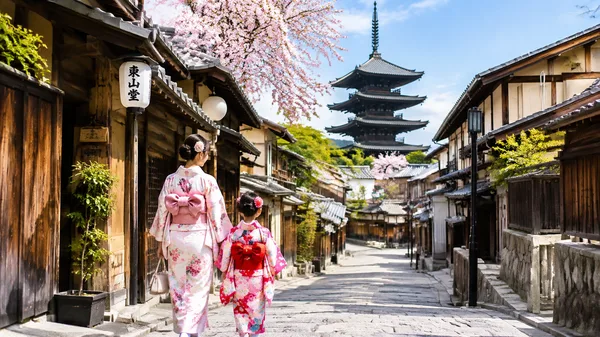
Gion is considered largely flat and manageable with a stroller, particularly on main streets and canal banks. However, evening crowds on Hanamikoji Street can make navigating with a stroller difficult. While the core Gion area is stroller-friendly, nearby areas like the stone-paved Sannenzaka and Ninenzaka slopes leading to Kiyomizu-dera Temple are steep and stepped, making a baby carrier a more suitable option for infants and toddlers.
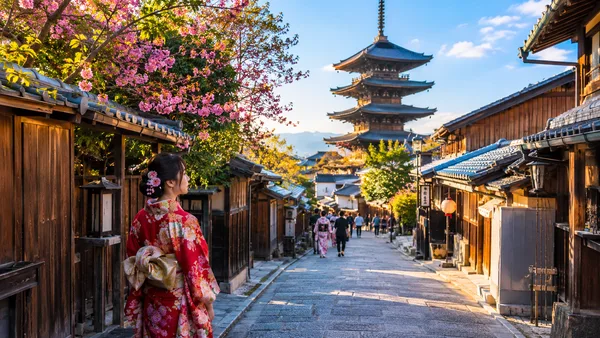
Many larger shops and restaurants have English menus or staff. Tourist information centers offer multilingual assistance, and translation apps are helpful.
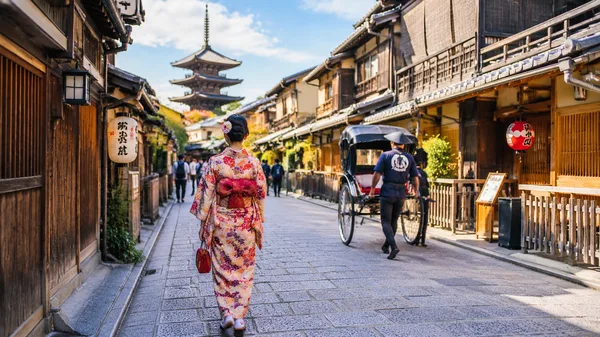
The main public areas of Gion are generally flat and easy to walk. While Gion Koubu has steps at several points, there is a 10° ramp way available, and wheelchair users can use an alternate entrance. Kyoto's public transportation system, including city buses and subway lines, has implemented accessibility features such as elevators, ramps, and low-floor buses.
Dive deeper into gion district.
Discover the best hotels and ryokans in Gion District Kyoto. Find your perfect stay, from traditional inns to boutique …
Continue Reading →
Discover the best restaurants in Gion, Kyoto, from Michelin-star kaiseki to hidden izakayas. Find where to eat in Gion …
Continue Reading →
Discover the easiest ways to get from Kyoto Station to Gion District. Learn how to get to Gion from Arashiyama, Fushimi …
Continue Reading →
Experience the magic of Gion at night with our guide to tours, activities, and evening strolls. Discover geisha …
Continue Reading →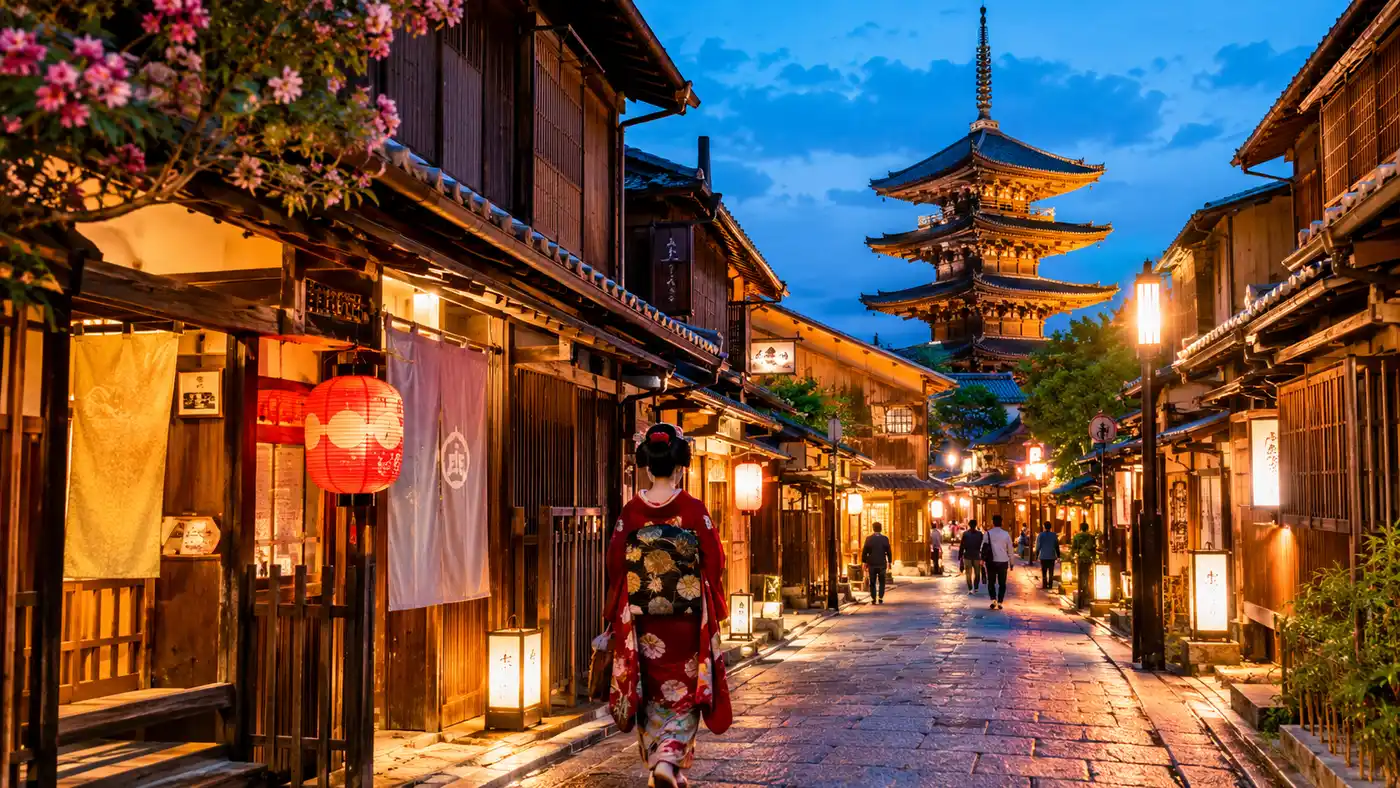
Discover the best Gion bars and experience the unique Gion district nightlife in Kyoto. Find traditional pubs, exclusive …
Continue Reading →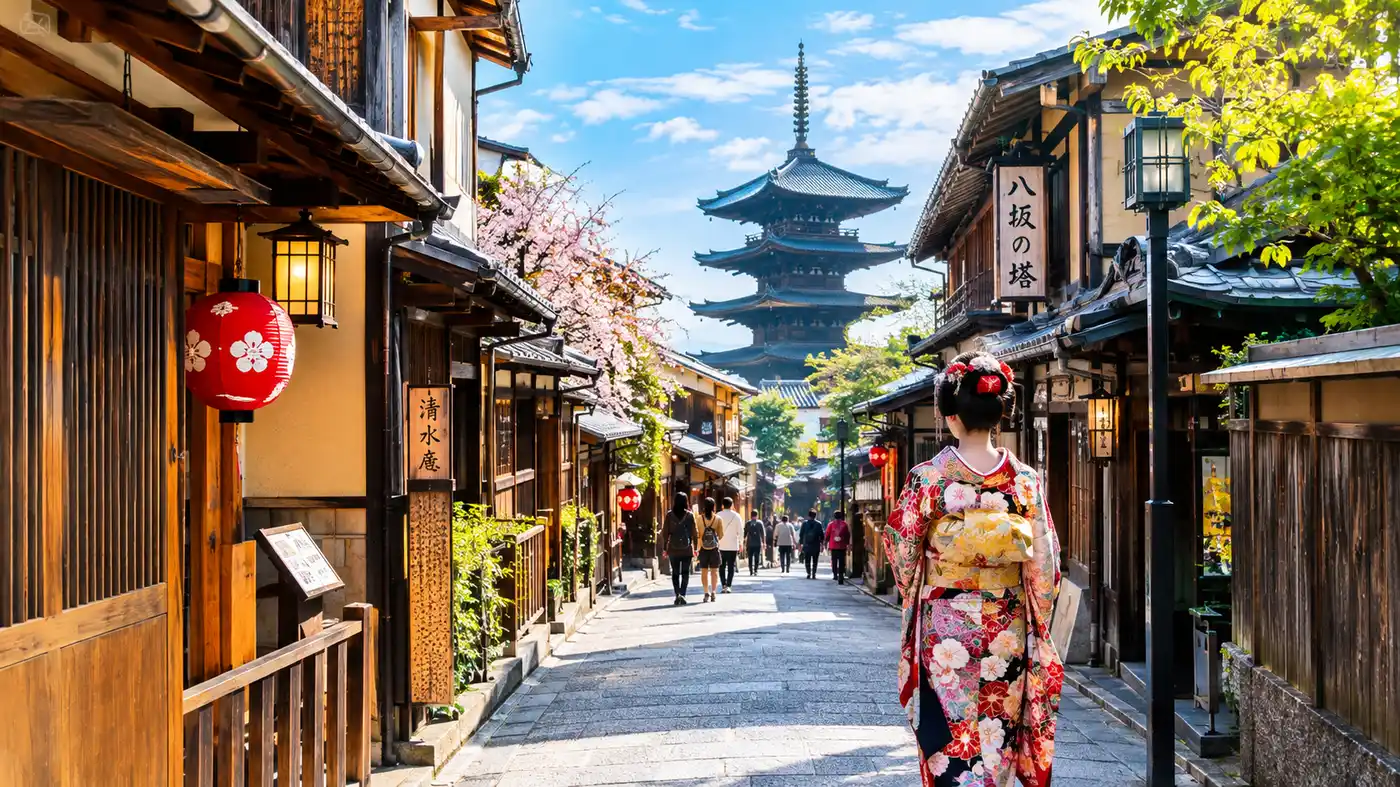
Understand the Gion District tourist ban, where it applies, and the best times to visit. Learn about Gion district …
Continue Reading →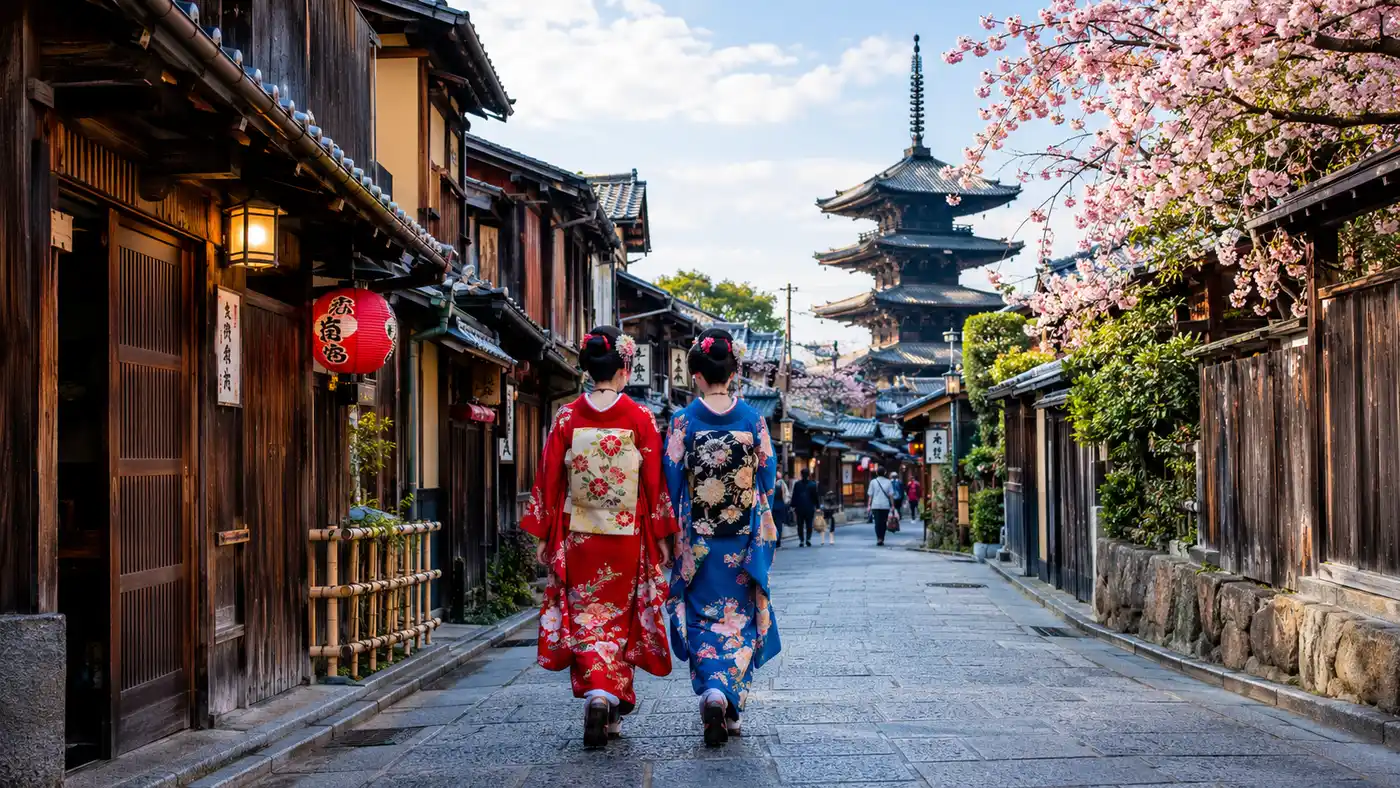
Explore Kyoto's Gion Geisha District and learn where to see geisha, understand cultural etiquette, and find organized …
Continue Reading →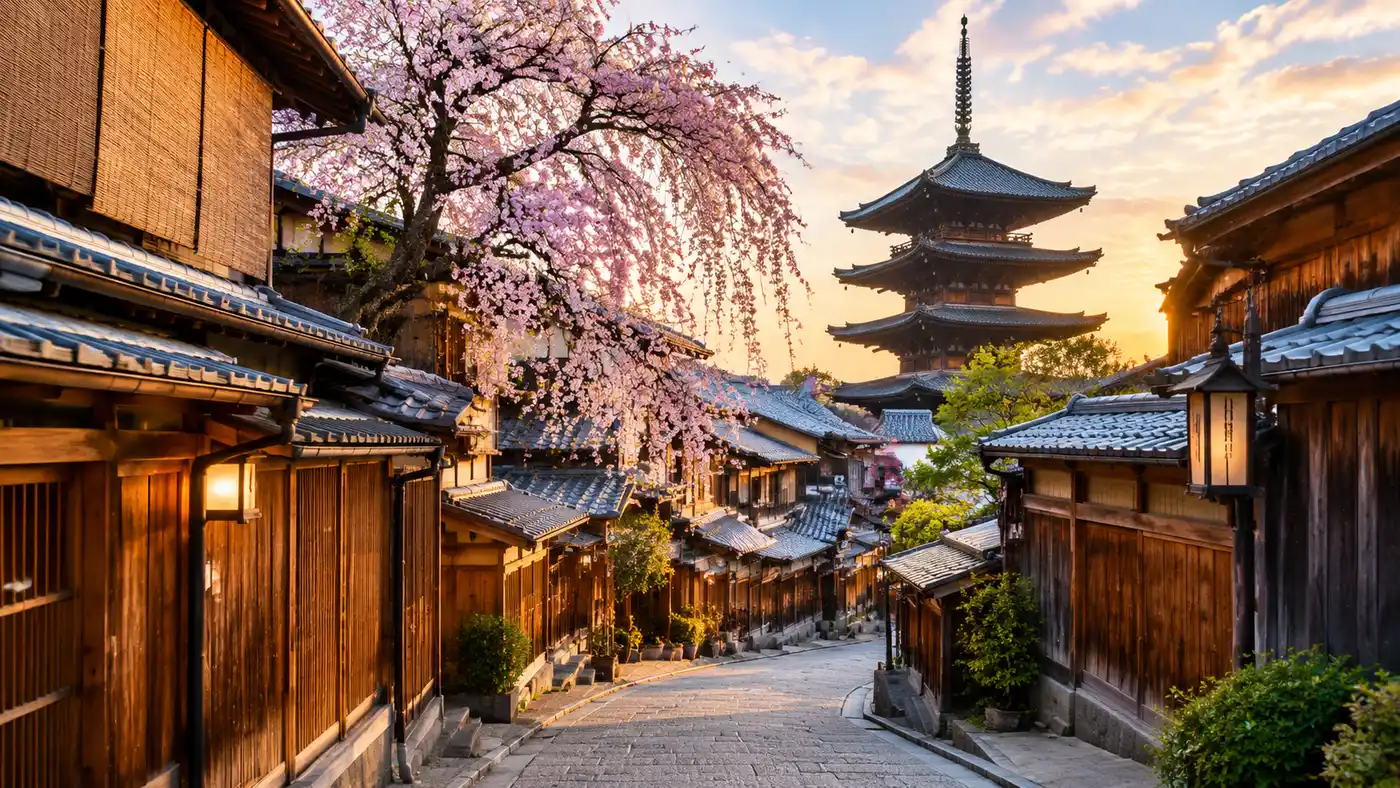
Discover Gion's ancient spiritual heart. Explore Yasaka Shrine, iconic temples, and serene landmarks in Kyoto's historic …
Continue Reading →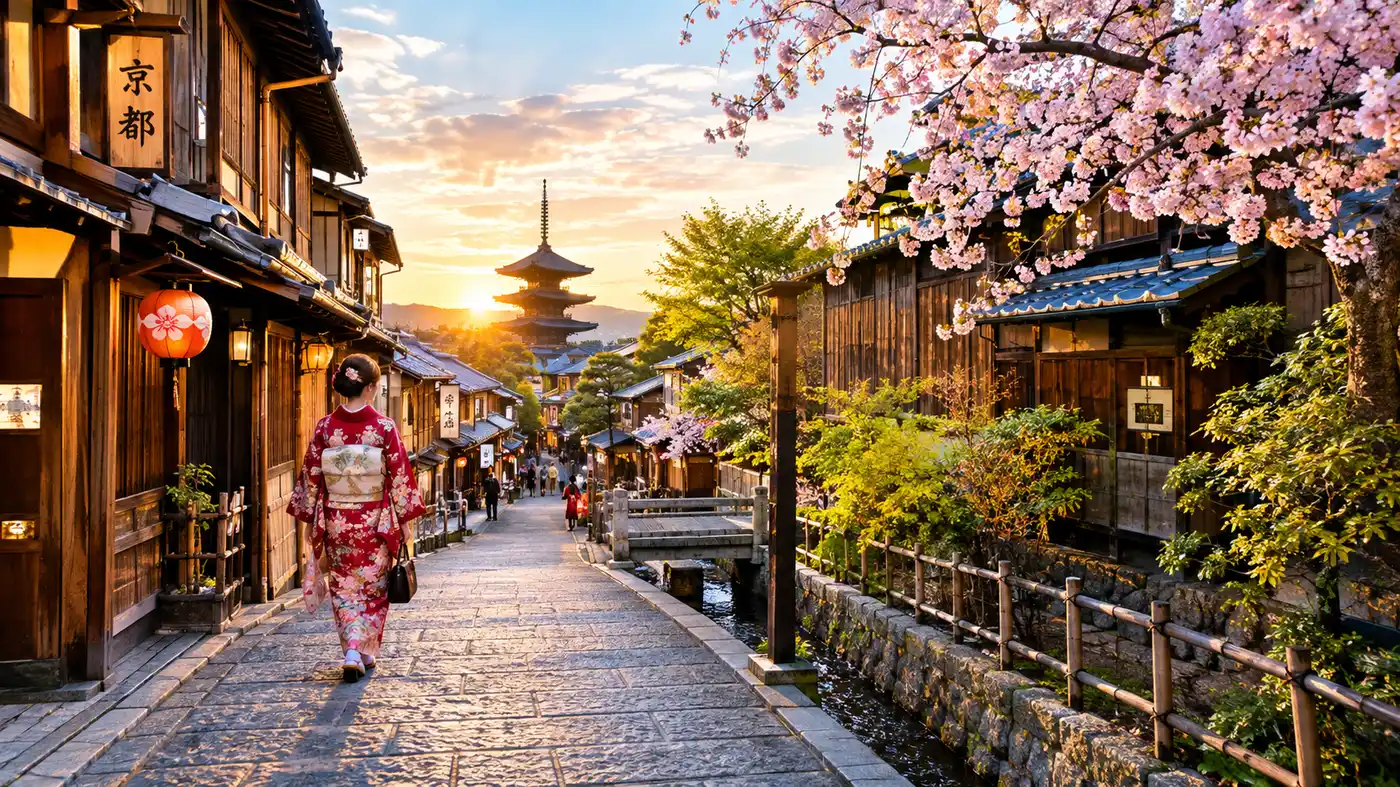
Explore Kyoto's iconic Hanamikoji Street and the serene Shirakawa Gion area. Discover geisha spotting tips, dining, and …
Continue Reading →Common questions about gion district.
Your best bet is to stroll through Hanamikoji Dori and the surrounding alleys between 5:30 PM and 7:00 PM, when they are typically heading to their engagements. Remember to observe respectfully from a distance.
Gion can be as expensive or as affordable as you make it. Walking the streets is free. Dining at high-end kaiseki restaurants or booking private geisha experiences can be costly, but many casual eateries and shops offer reasonable prices.
To truly appreciate Gion, plan for at least 3-4 hours of exploration. If you intend to include a tea ceremony, a meal, or a show, you could easily spend a full day or an evening here.
Yes, photography of geiko and maiko on private property or when they are moving between engagements is generally prohibited without permission. Always be respectful and avoid blocking pathways or using flash directly at people.
Gion can be enjoyed by families, though younger children might find some of the cultural experiences less engaging. The main appeal is the atmosphere and architecture, which can be appreciated by all ages.
Absolutely. Several tea houses in Gion offer public tea ceremony experiences that can be booked directly or through online platforms. Look for places that specifically cater to international visitors.
Both are historic entertainment districts. Gion is larger and more famous for its geisha culture and traditional architecture. Pontocho is a narrower, atmospheric alley known for its dining and nightlife, also with some geiko and maiko houses.
Dive deeper into Kyoto's most enchanting district. Our comprehensive guides and local tips await.