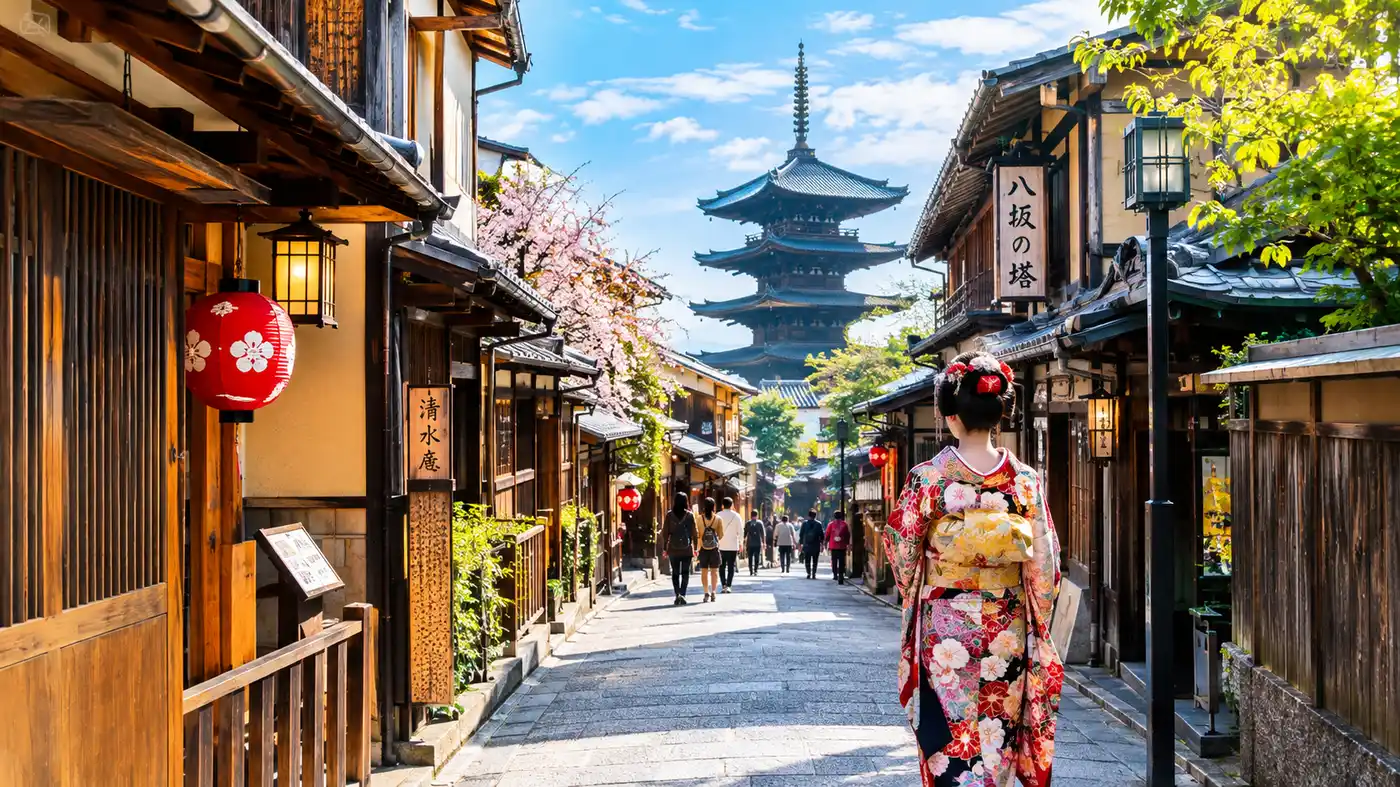
Gion District Tourist Bans & Visiting Hours
Kyoto's Gion district, a place steeped in tradition and mystery, has always drawn travelers from across the globe. Everyone wants a glimpse of its iconic geisha culture. Lately though, there’s been a lot of talk about a new gion district tourist ban. It sounds pretty dramatic, like the whole area is suddenly off-limits. I get why people are confused. The reality is a bit more nuanced than a blanket closure, and understanding it is key to having a good, respectful trip. This guide will clear up exactly where these restrictions apply, what "is Gion district closed to tourists" really means, and crucially, how you can still explore this beautiful area without causing issues. We'll cover the specific areas affected, the best time to visit Gion district, and how to navigate its charming streets with grace. My goal is to help you plan a visit that’s both memorable and considerate of the local residents and cultural practitioners.Book your gion district experience:
Understanding the Gion District Tourist Ban
Let's get this straight from the start: Gion is not entirely closed off. You can still walk its main streets, visit its temples, and enjoy its many restaurants and shops. The recent gion district tourist ban, which made headlines globally, is much more specific. It targets a few very particular private alleys within the Hanamikoji area. These are small, narrow lanes, often dead-ends, where geisha and maiko homes, known as okiya, and private teahouses, called ochaya, are clustered. The ban came about because of some genuinely awful behavior from a small but significant number of tourists. Imagine leaving your house for work and having dozens of cameras shoved in your face, people blocking your path, or even grabbing at your kimono. That's what was happening to the geiko and maiko trying to go about their daily lives. The residents and workers there simply reached their breaking point. It's not about being unwelcoming; it's about basic human respect and privacy. The local council, after years of pleas, finally stepped in.Pro tip: Always remember that geisha and maiko are not tourist attractions or performers on the street. They are professionals on their way to or from engagements. Treat them with the same courtesy you'd show anyone else going to their job.
Where Exactly is the Ban Enforced?
The confusion about "is Gion district closed to tourists" mostly stems from not knowing the exact boundaries. The primary focus of the gion district restrictions is on the private alleys branching off the main Hanamikoji Street. Hanamikoji Dori itself, the wide, stone-paved street that runs north-south through the heart of Gion, remains completely open to the public. You can walk its full length, browse the shops, and dine at the restaurants there. It's those tiny, often atmospheric side streets, sometimes just a few meters wide, where the ban is active. Think of it like this: Hanamikoji Dori is the public highway. The private alleys are like someone's driveway or backyard. You wouldn't typically wander into someone's private space uninvited, right? The signs are pretty clear when you enter these specific private lanes. They're in Japanese and English, showing a camera with a red slash through it and mentioning the fine. You really can't miss them if you're paying attention.Note: The Shirakawa Area, another beautiful part of Gion with canals and traditional houses, is separate from the Hanamikoji private alleys and does not have the same photography ban. It's a wonderful place for a stroll, especially in the evening. For a deeper dive into the area, you can check out our Hanamikoji Street & Shirakawa Area Guide.
Gion District Opening Hours and Best Times to Visit
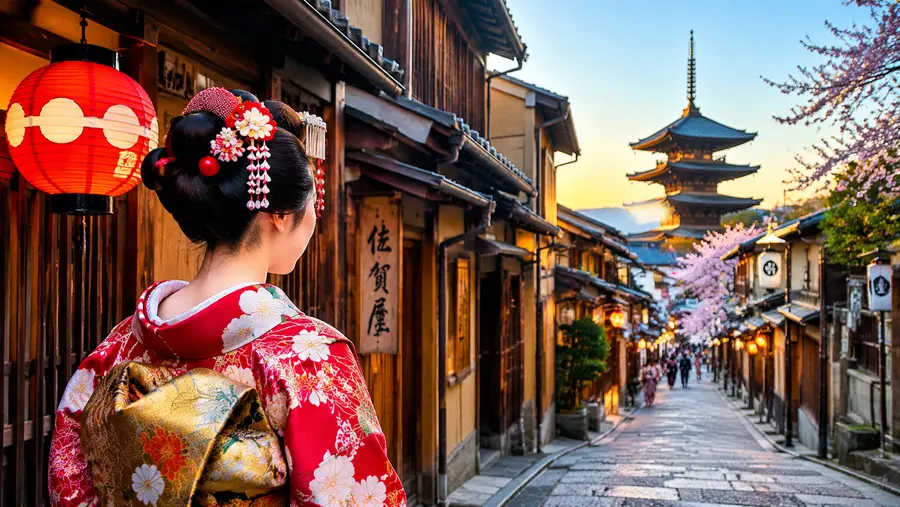
There's no official "gion district opening hours" because it's a living, breathing neighborhood, not a theme park with gates that close. Shops generally open around 10 or 11 AM and close by 6 or 7 PM. Restaurants often have lunch service from 11:30 AM to 2 PM, then reopen for dinner from 5:30 PM until 10 PM or later. Temples and shrines usually have specific visiting hours, often from 9 AM to 5 PM, but the streets themselves are always accessible. So, what time does Gion district close? It doesn't, really. The public areas are open 24/7. The question is more about when you'll get the best experience, especially if you're hoping for that elusive glimpse of a geisha or maiko.- Early morning (7 AM - 9 AM): This is honestly my favorite time. The streets are quiet, the light is soft, and you can really soak in the atmosphere without the crowds. Shops are closed, but the architecture is stunning.
- Daytime (9 AM - 4 PM): Good for exploring temples, shrines, and shops. It can get very crowded, especially on weekends and during peak seasons. You'll see plenty of tourists in kimonos, but rarely a real geisha.
- Late afternoon/Early evening (4 PM - 6 PM): This is often cited as the "best time to visit Gion district" for spotting geisha. They are typically on their way to appointments. Be discreet, keep your distance, and have your camera put away unless you're on a public street and they are far away. Remember the ban in private alleys.
- Evening (6 PM onwards): The district lights up, creating a magical ambiance. Many restaurants and bars are open, and the air is filled with anticipation. This is a lovely time for dinner and a walk, but again, be mindful of residents.
| Time Slot | Typical Activity | Crowd Level | Geisha/Maiko Sightings |
|---|---|---|---|
| Dawn - 9 AM | Quiet strolls, photography, temple visits | Low | Very rare |
| 9 AM - 4 PM | Shopping, dining, sightseeing, temples | High | Extremely rare |
| 4 PM - 6 PM | Anticipatory walks, dinner preparations | Medium-High | Possible (discreetly) |
| 6 PM - Late | Dinner, nightlife, atmospheric walks | Medium | Possible (very rare, discreetly) |
Book your gion district experience:
Navigating Gion Respectfully - Gion District Restrictions for Tourists
Beyond the formal gion district tourist ban in specific alleys, there are broader gion district restrictions that are more about etiquette and common sense. These aren't always enforceable by law, but they are crucial for a positive experience for everyone. Kyoto, and Gion especially, thrives on its delicate balance of tradition and modern life. * No unauthorized photography: This extends beyond the banned alleys. If you see a geisha or maiko on a public street, do not chase them, block their path, or take close-up photos without explicit permission. A quick, respectful photo from a distance, if they're not rushing, is generally tolerated, but don't be intrusive. * Stay out of private property: This includes gates, doorways, and small alleys that clearly look like residential or private business entrances. There are many beautiful spots, but respect the boundaries. * Keep noise levels down: Gion is a residential area. Be mindful of your voice, especially at night. Loud conversations or shouting can be very disruptive. * Don't litter: This should be obvious anywhere, but it's especially important in historic districts. Carry your trash until you find a proper receptacle. * Walk on the left: Japan drives on the left, and pedestrians generally keep to the left too. It helps with flow on busy streets. * Don't touch or interfere: This goes for buildings, plants, or people. Just observe and appreciate from a respectful distance. Honestly, it boils down to treating Gion as someone's home and workplace, not a theme park. Imagine how you'd feel if tourists were constantly disrupting your neighborhood or job. A little empathy goes a long way. The vast majority of visitors are perfectly respectful. It's just a few bad apples that spoil it for everyone, leading to these necessary restrictions.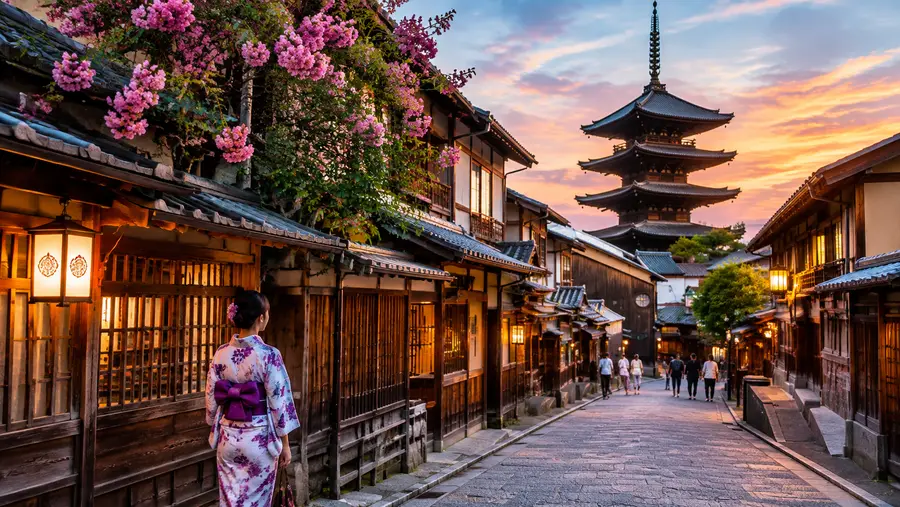
Beyond Hanamikoji - Exploring Other Parts of Gion
Even with the gion district tourist ban in place for specific alleys, there is so much more to Gion than just hoping to spot a geisha. It's a large, diverse area with plenty to see and do that doesn't involve lurking in private lanes. * Shirakawa Area: This is my personal favorite. It's a picturesque canal lined with willow trees, traditional teahouses, and small bridges. It’s incredibly beautiful, especially during cherry blossom season or at night when the lanterns glow. It offers a very different, serene vibe compared to the bustling Hanamikoji. * Gion Corner: If you truly want to experience traditional performing arts, Gion Corner offers nightly performances showcasing various Japanese arts, including kyomai (Kyoto-style dance performed by maiko), flower arrangement, tea ceremony, and bunraku puppet theater. It's a structured, respectful way to engage with the culture. * Yasaka Shrine: A magnificent Shinto shrine located at the eastern end of Shijo Dori. It's open 24/7, free to enter, and particularly stunning after dark when its lanterns are lit. It hosts the famous Gion Matsuri in July. * Kiyomizu-dera Temple: While technically just outside Gion, it's a short, pleasant walk or bus ride away and an absolute must-see. Its wooden stage offers panoramic views of Kyoto. * Shopping on Shijo Dori: This main thoroughfare offers everything from traditional Kyoto crafts and sweets to modern department stores. It's a lively street for souvenir hunting or just people-watching. * Dining: Gion has some of Kyoto's best restaurants, from Michelin-starred establishments to charming izakayas. Exploring the food scene is an experience in itself. You can spend days exploring Gion's temples, gardens, and public spaces without ever needing to step foot in a restricted area. The beauty of Gion is pervasive. It's in the architecture, the sounds, the smells, and the general atmosphere of history.Frequently Asked Questions about gion district tourist ban
Is Gion completely closed to tourists?
No, the Gion district is not completely closed to tourists. The ban specifically applies to private alleys within the Hanamikoji area, not the main public streets or other parts of Gion.
What happens if I break the rules in the banned areas?
If you are caught taking photos in the designated private alleys, you face a fine of 10,000 yen (about $67 USD), and local residents or guards may confront you.
Can I still see geisha in Gion?
Yes, it is still possible to see geisha or maiko in Gion, particularly in the late afternoon or early evening on public streets, but it requires luck and respectful observation from a distance. Chasing or harassing them is strictly prohibited.
Quick Reference
- Gion is NOT fully closed to tourists.
- Ban applies to private alleys off Hanamikoji Dori.
- Fine for photography in banned areas is 10,000 yen.
- Hanamikoji Dori and Shirakawa Area are public.
- Best time for ambiance is early morning or evening.
Book your gion district experience:
Wrapping Up
The gion district tourist ban, while initially sounding quite severe, is really about protecting the privacy and daily lives of the residents and cultural practitioners in a very specific part of Kyoto. It's a necessary measure to curb disrespectful behavior that had become rampant. For visitors, this simply means being more mindful and aware of your surroundings. You can still have an incredibly rich and authentic experience in Gion. Just choose to explore the public areas, respect the signage, and always remember that you are a guest in a living, working community. Kyoto's charm is in its preservation of culture, and we all play a part in that.Read more about gion district.